Rockford, Illinois
Radon Testing for Home Sales & Purchases in Rockford, IL
Radon testing timed to a real estate closing, from someone who works both sides of that transaction. Testing scheduled around inspection periods and closing dates, with results explained in plain language for buyers, sellers, and agents.
Radon testing during a home sale is typically done as a short-term test during the inspection period, with results used to negotiate mitigation costs or move forward with the sale. Illinois does not legally require radon testing, but many lenders, buyers, and agents request it, and results must be disclosed if already known.
This is where a realtor's-eye view actually matters: knowing what a closing timeline can and can't absorb, and how to explain a number to someone who is already stressed about a deadline.
What's included
- Short-term testing scheduled to fit inspection period deadlines
- Results explained for buyers, sellers, or agents
- Guidance on negotiating mitigation costs into a sale
- Illinois radon disclosure context for sellers
- Coordination directly with a realtor who understands the timeline pressure
Timing around a closing
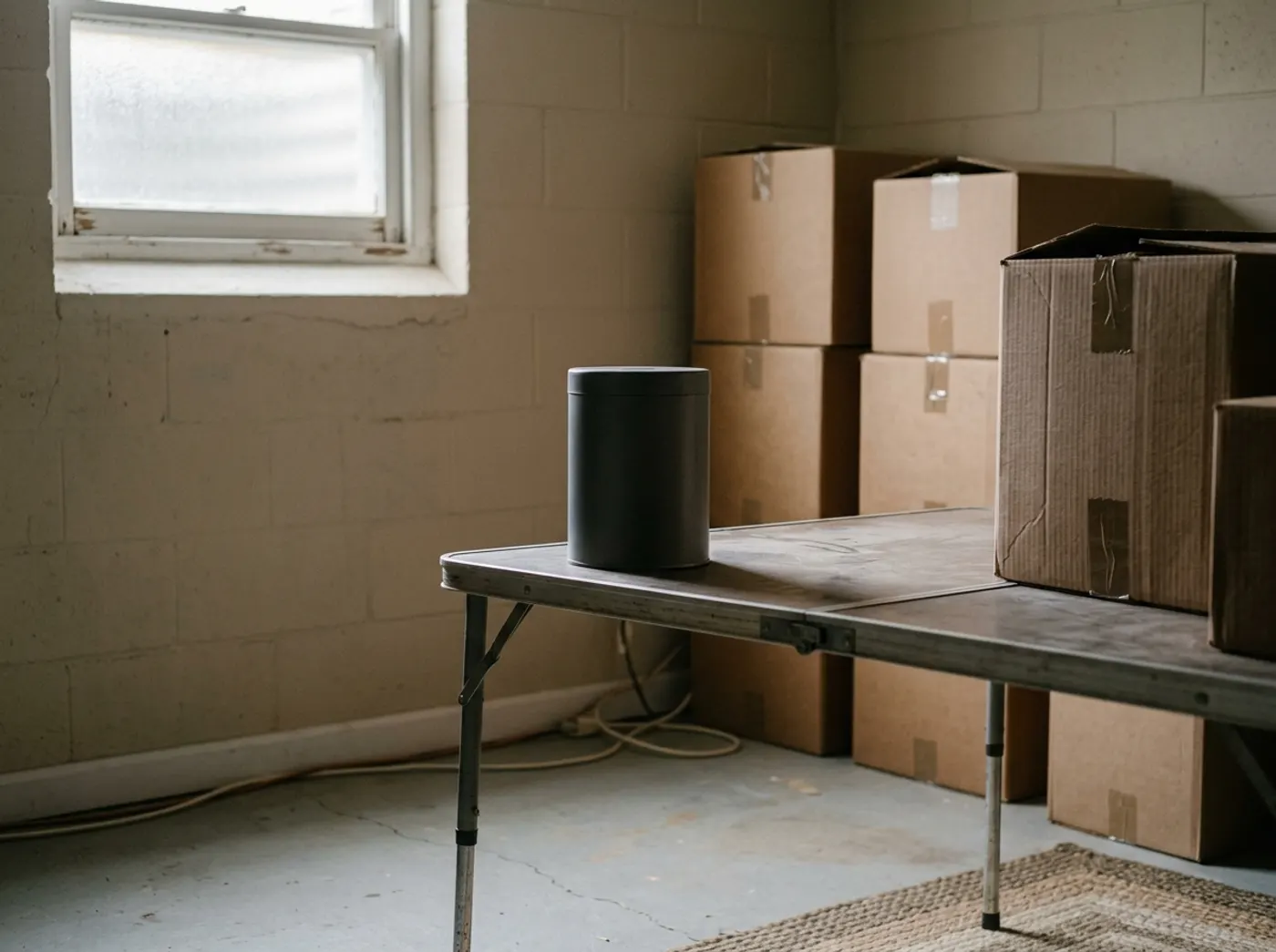
A short-term test is the standard choice here because most closings do not have 90 days of slack. Testing typically happens during the inspection contingency period, with enough runway to get results back before decisions need to be made.
What sellers are required to disclose
Illinois does not mandate radon testing before a sale, but if a seller has a known result, it generally needs to be disclosed. A seller who tests ahead of listing avoids a surprise mid-transaction and can address a high result on their own timeline instead of the buyer's.
Why a realtor doing the testing is different
Most radon companies never see the real estate side of what a high result actually means for a deal in progress. A tester who also works transactions understands what's negotiable, what a lender will and won't accept, and how to keep a closing on track.
Common questions
Before you book
Is radon testing required to sell a home in Illinois?
Illinois law does not require it, but many buyers, agents, and lenders request one anyway, and a seller must disclose a result they already know about.
How soon before closing should testing happen?
Scheduling it early in the inspection period leaves the most room to negotiate or arrange mitigation if the result comes back high, without threatening the closing date.
What if the result is high and closing is close?
Buyers and sellers can negotiate a credit or repair addressing mitigation costs, similar to how other inspection findings get handled. The key is knowing the number early enough to have that conversation.
Can a buyer request their own test even if the seller already has one?
Yes, and it is common. A buyer's own test on their own timeline avoids any question about how an earlier test was handled.
Where this is done
Buying or selling a home Across the Area
Buying or selling a home across Winnebago, Boone and Ogle County. Each town page has its own local notes; the full list is on the service area page.
Related
Other Ways We Can Help
Radon testing
Radon testing for homes in Rockford and towns across Winnebago, Boone, and Ogle County. A test placed in your lowest lived-in level tells you whether your home has a real radon problem, with results read against the EPA's action level.
Radon mitigation
What happens after a test comes back high: understanding the mitigation system that fixes it, what it costs, and confirmation testing once it's installed. Illinois law requires anyone who performs radon mitigation to hold an IEMA license, the same as testing.
New construction
Radon testing for newly built homes in the Rockford area. New construction is not automatically low-radon, and testing after the home is finished and closed up confirms whether radon-resistant construction techniques actually worked.
Ready to know your number?
Tell us why you're testing and any deadline you're working against. You get a fixed price and a straight answer back.